St. Amandus (Cologne-Rheinkassel)
A Romanesque village church in northern Cologne – with a choir that recreates the famous collegiate church of St. Gereon in miniature.
St. Amandus is the Catholic church in the northern district of Rheinkassel. Its choir is regarded as a scaled-down copy of Cologne's famous collegiate church of St. Gereon, making this small village church a surprising gem.
At a glance
- Origin: an 11th-century hall church
- West tower: around 1200
- Notable: a choir with two flanking towers modelled on St. Gereon (around 1220)
- Location: Cologne-Rheinkassel, in the north of the city
History in layers
Excavations in 1979 uncovered the foundations of a first 11th-century hall church. Around 1220 the St. Gereon collegiate foundation lavishly enlarged the church: the nave gained aisles and a richly articulated choir with its characteristic flanking towers. Its furnishings include a Madonna of 1330/40 and a 15th-century Crucifixion group. A rewarding stop for lovers of Rhineland Romanesque away from the city centre.
Source: Wikipedia · retrieved 2026-06-23
Map
Blue dots: other places nearby — tap to explore.
In the news
- Loading news…
Headlines via Google News — links lead to the original source.
Sources & links
Auto-generated, last verified: 2026-06-23
You might also like
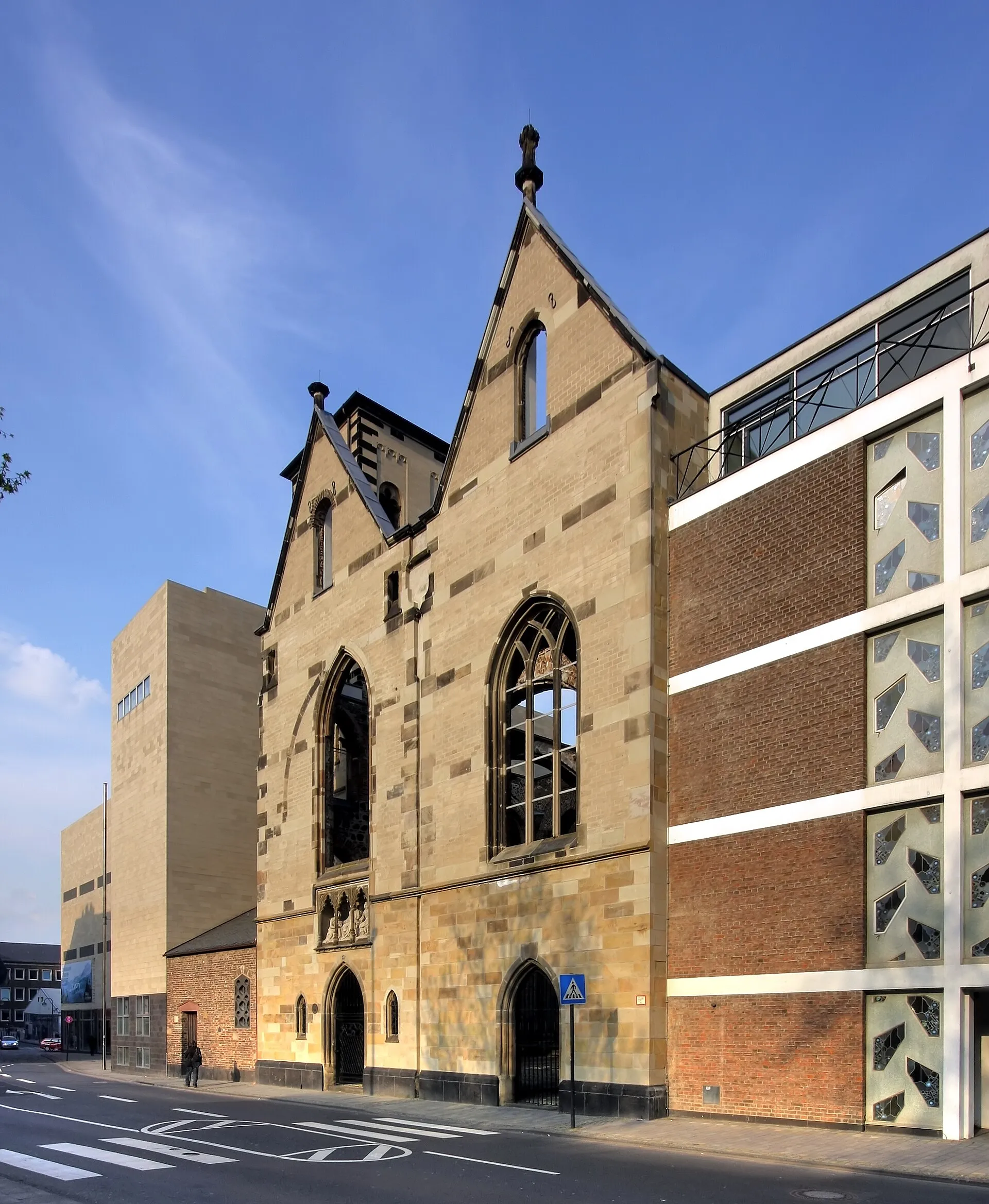
Alt St. Alban – Ruin and Memorial at Quatermarkt
The war ruin of one of Cologne's oldest Romanesque churches at the Quatermarkt – today a memorial with Kollwitz's ‘Grieving Parents'.
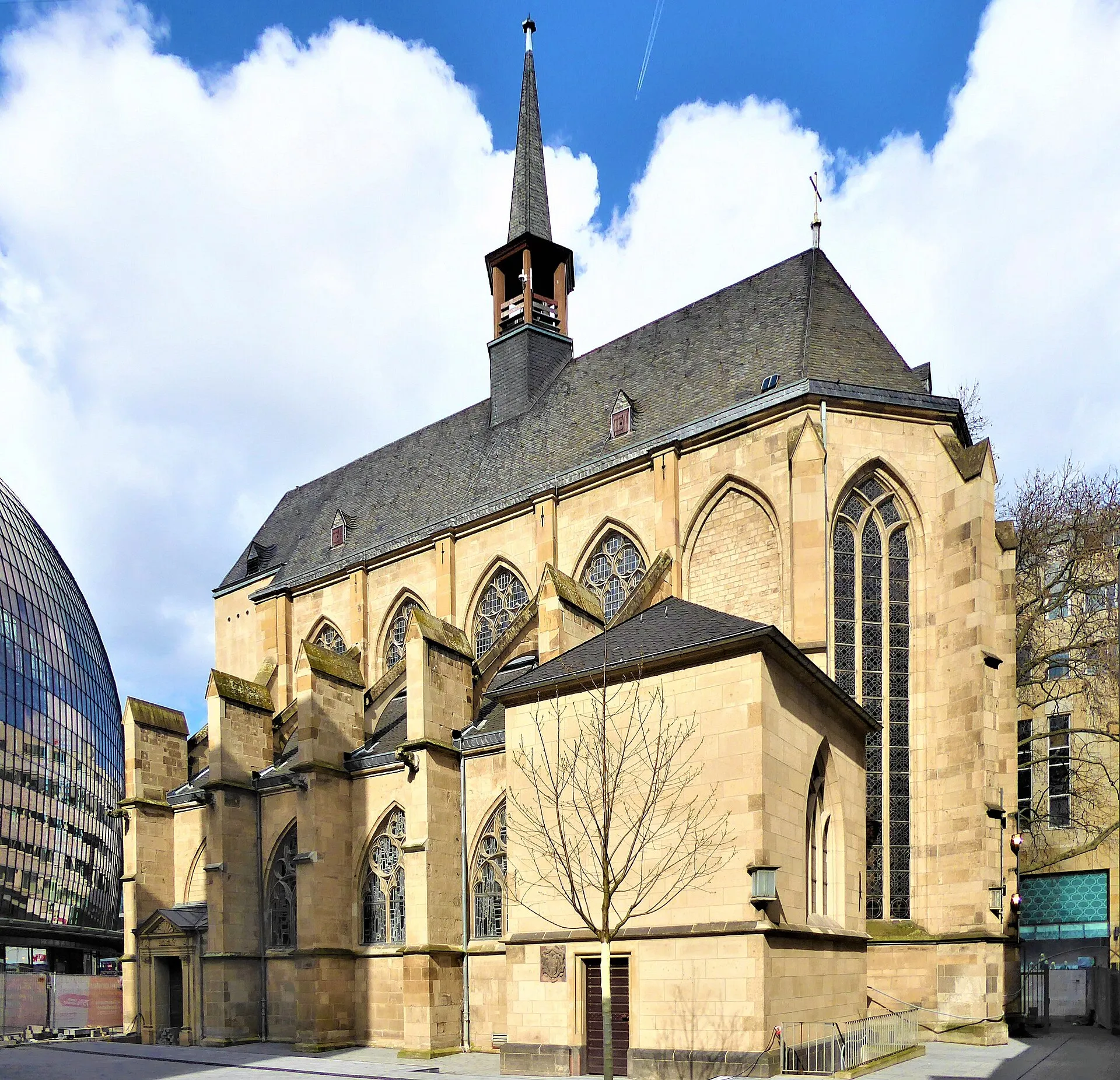
Antoniterkirche (Cologne)
A Gothic Protestant church in the middle of the Schildergasse – Cologne's most visited church after the cathedral, known for Barlach's ‘Hovering Angel'.
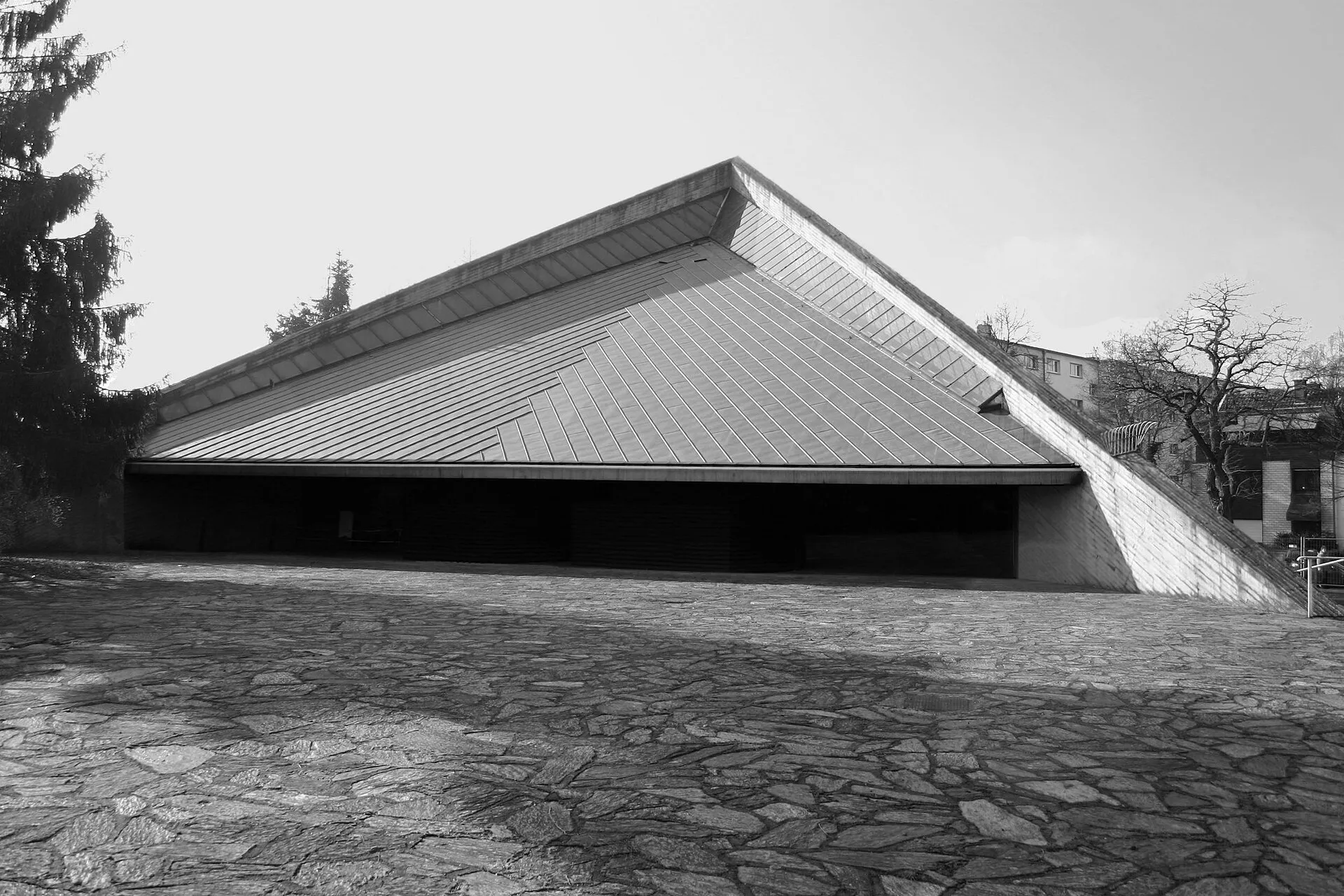
Auferstehungskirche (Köln-Buchforst)
A striking 1968 Protestant church in Buchforst, now the ‘Kulturkirche Ost' – a listed example of modern post-war architecture.
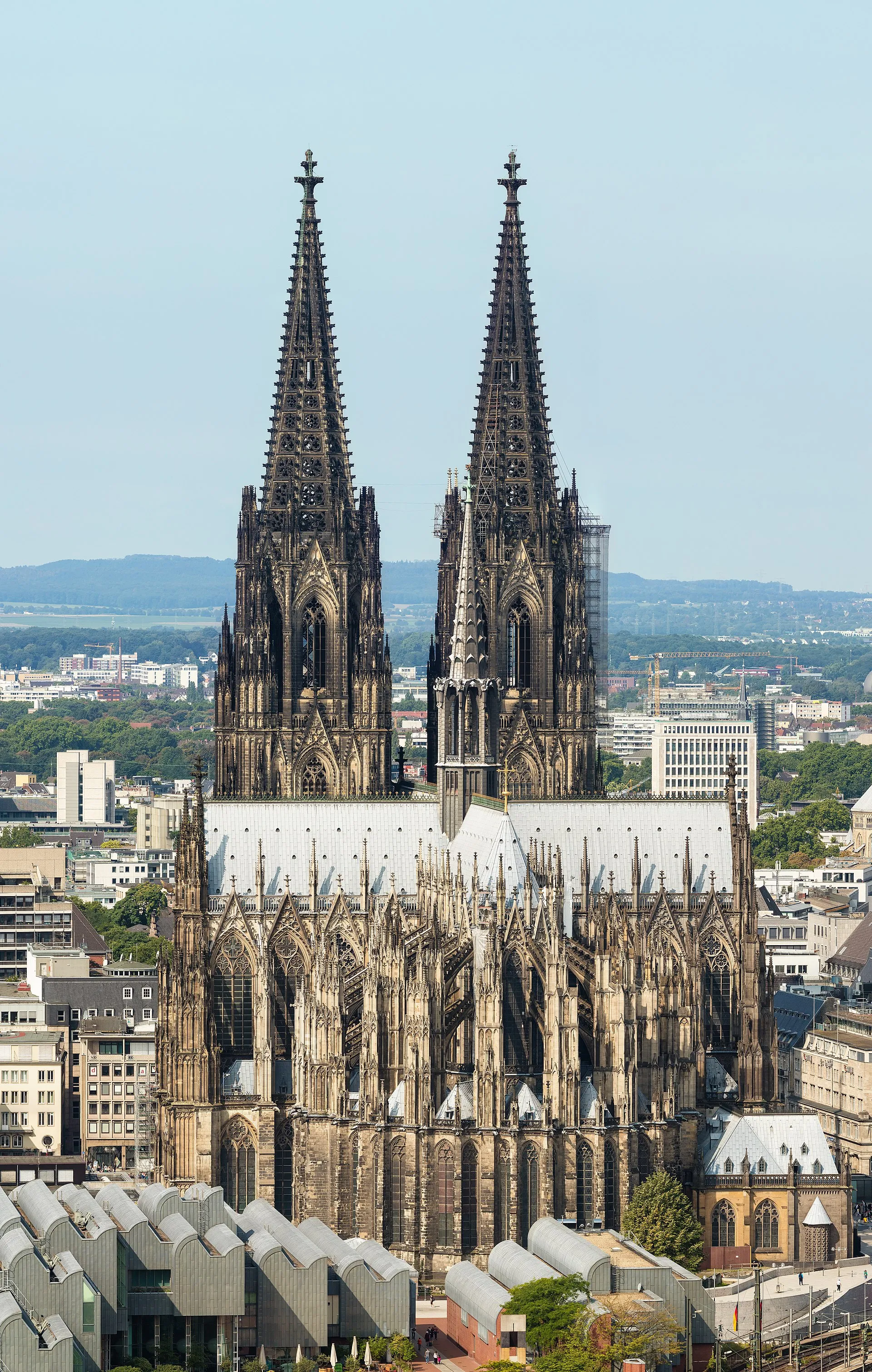
Cologne Cathedral
The Gothic cathedral of the Archdiocese of Cologne (157 m), begun in 1248 and completed in 1880 – a UNESCO World Heritage Site since 1996 and the city's landmark.
Neu St. Alban
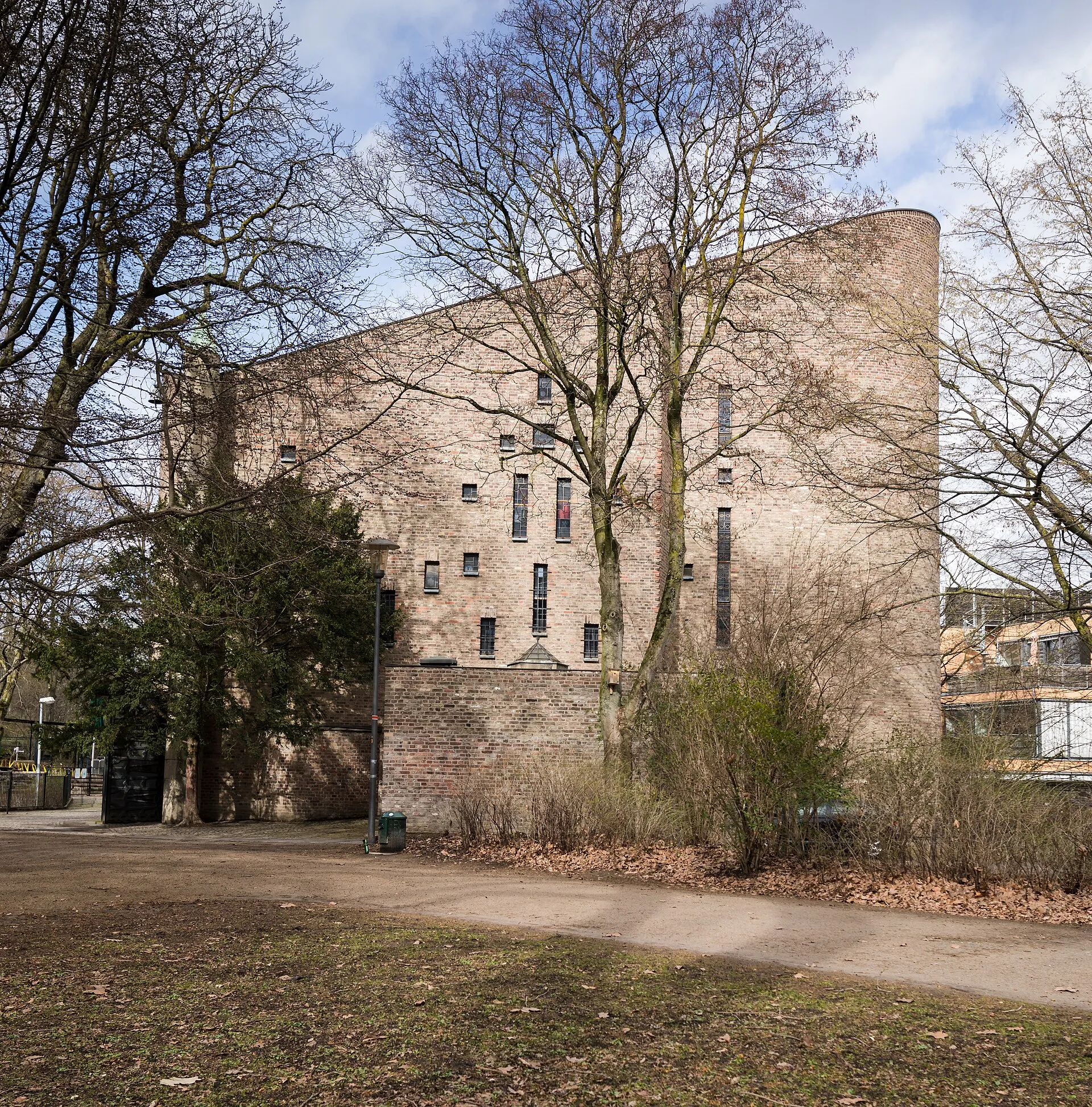
A modern 1959 church by the Stadtgarten, built from rubble bricks – a remarkable post-war design in the spirit of Le Corbusier.
Comments
- Loading comments…