St. Agnes (Cologne)
After the cathedral, Cologne's largest church – a mighty neo-Gothic hall church that gives the Agnesviertel its name.
St. Agnes in the northern Neustadt is, after the cathedral, the largest church building in Cologne. The mighty neo-Gothic hall church gives its name to the surrounding Agnesviertel.
At a glance
- Built: 1896–1901, architects Carl Rüdell and Richard Odenthal
- Style: neo-Gothic (modelled on St. Elizabeth's in Marburg)
- Dimensions: 80 m long, 40 m wide, tower 61 m
- Location: Neusser Straße, Agnesviertel
A foundation with a social mission
The church goes back to an endowment by the merchant Peter Joseph Roeckerath, who had it built as a burial church for his late wife Agnes. Remarkably, Roeckerath stipulated that no pews be rented to wealthy parishioners – seating was to be open to all regardless of means. In 1920 St. Agnes was Cologne's largest parish, with 27,000 members. After severe wartime damage the church was restored into the 1950s; today it is also a lively venue for art and culture.
Source: Wikipedia · retrieved 2026-06-23
Map
Blue dots: other places nearby — tap to explore.
In the news
- Loading news…
Headlines via Google News — links lead to the original source.
Sources & links
Auto-generated, last verified: 2026-06-23
You might also like
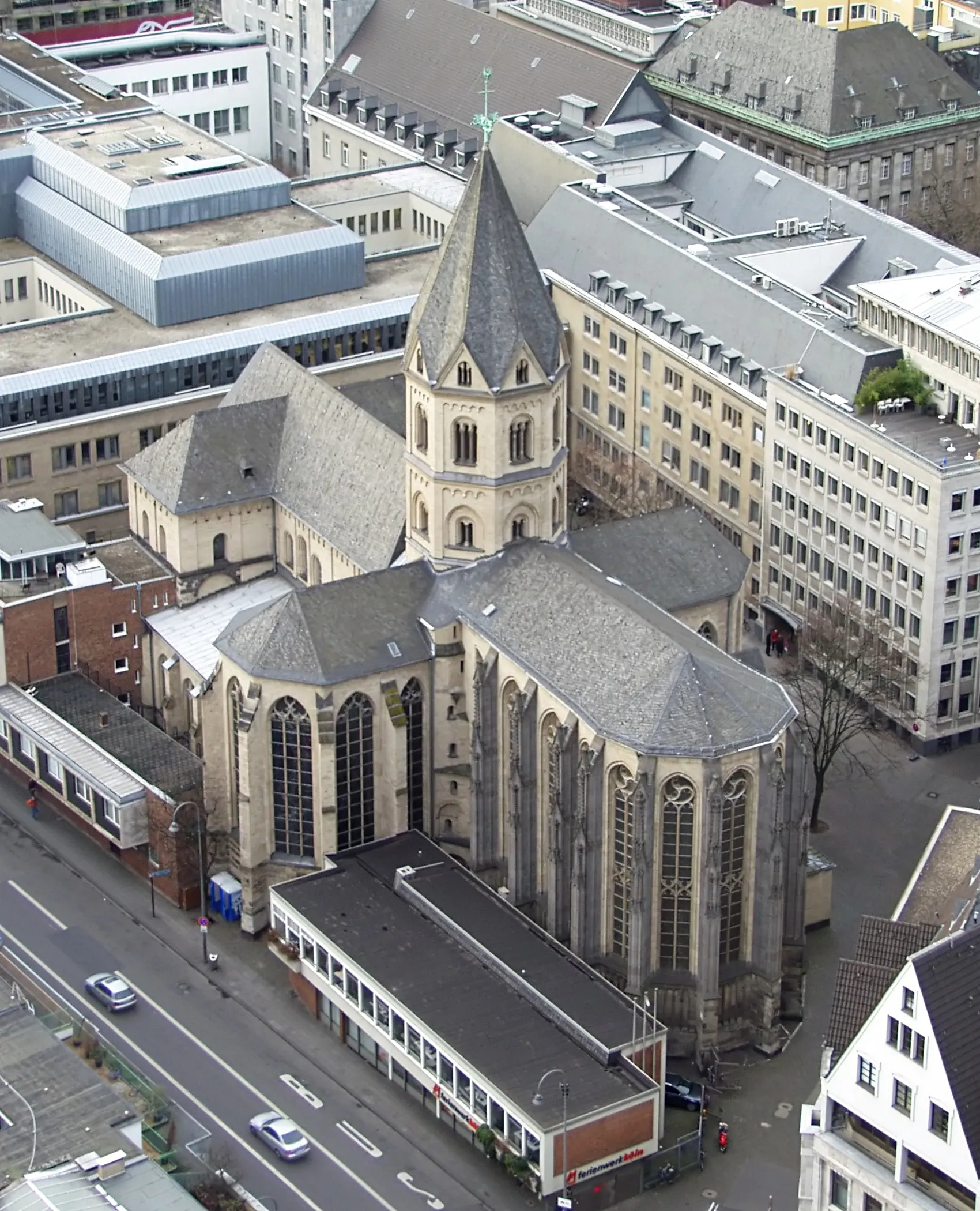
St. Andrew's Church, Cologne
A Romanesque-Gothic basilica near the cathedral – burial church of Albertus Magnus, with a colourful stained-glass cycle by Markus Lüpertz.
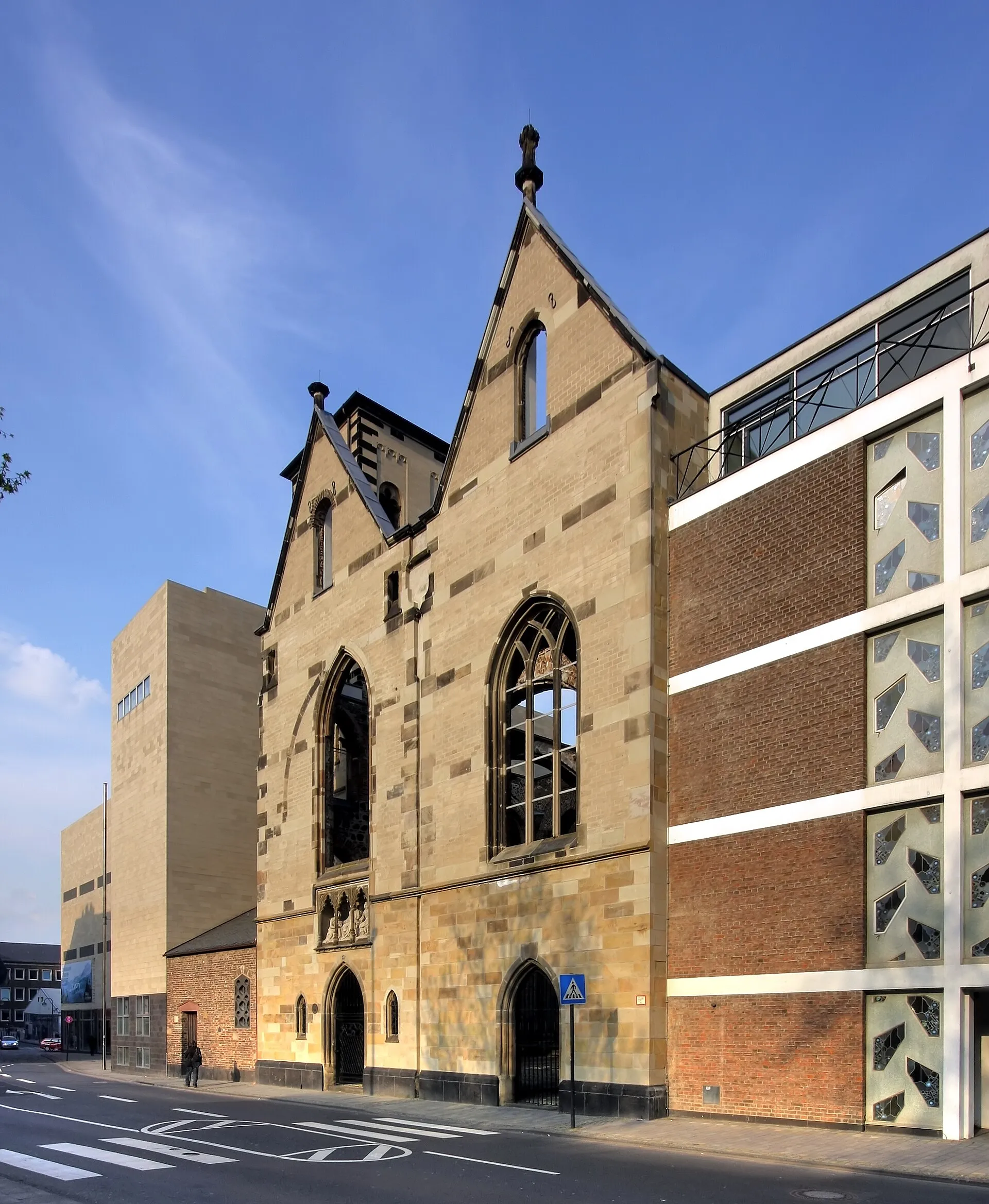
Alt St. Alban – Ruin and Memorial at Quatermarkt
The war ruin of one of Cologne's oldest Romanesque churches at the Quatermarkt – today a memorial with Kollwitz's ‘Grieving Parents'.
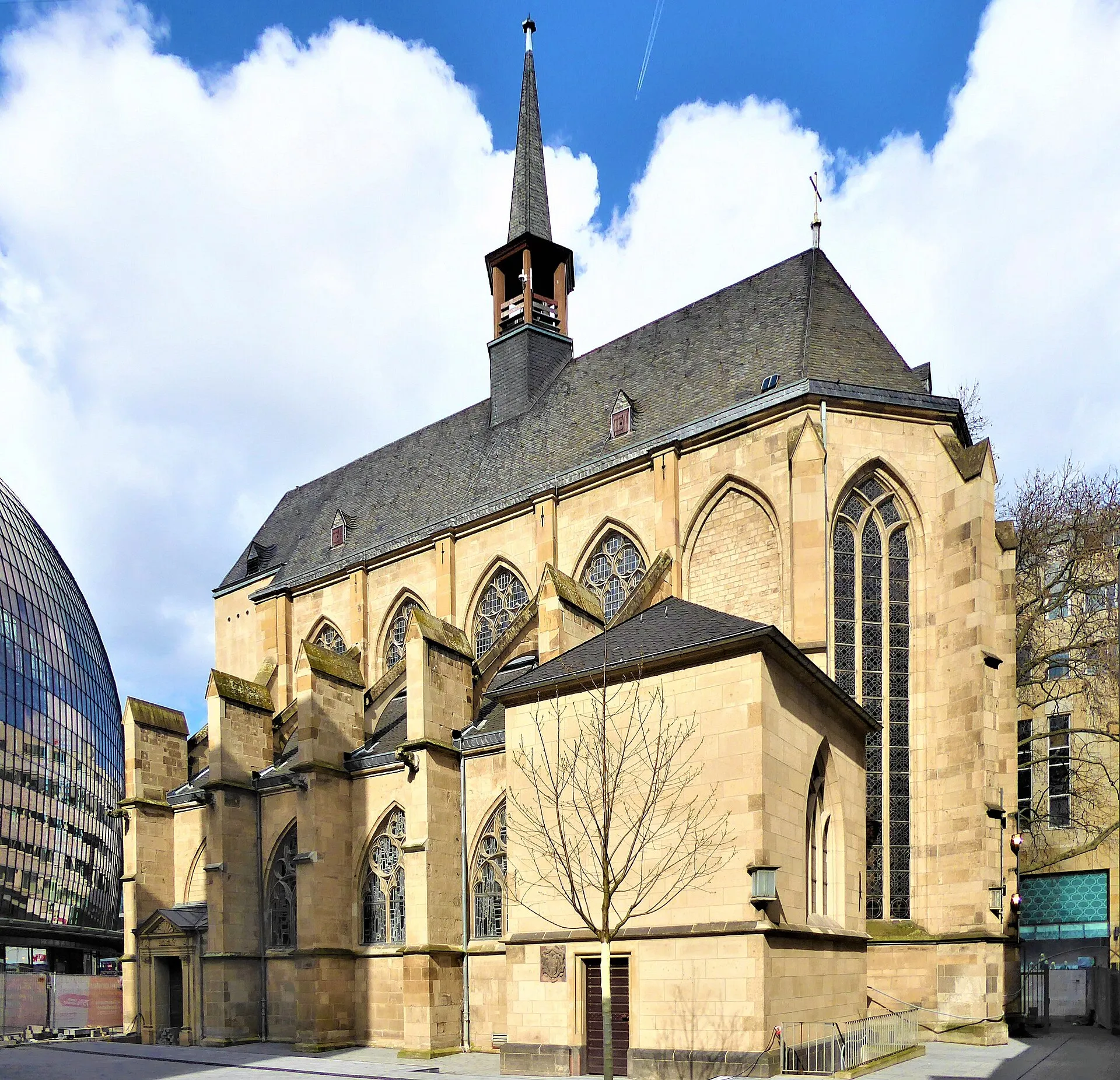
Antoniterkirche (Cologne)
A Gothic Protestant church in the middle of the Schildergasse – Cologne's most visited church after the cathedral, known for Barlach's ‘Hovering Angel'.
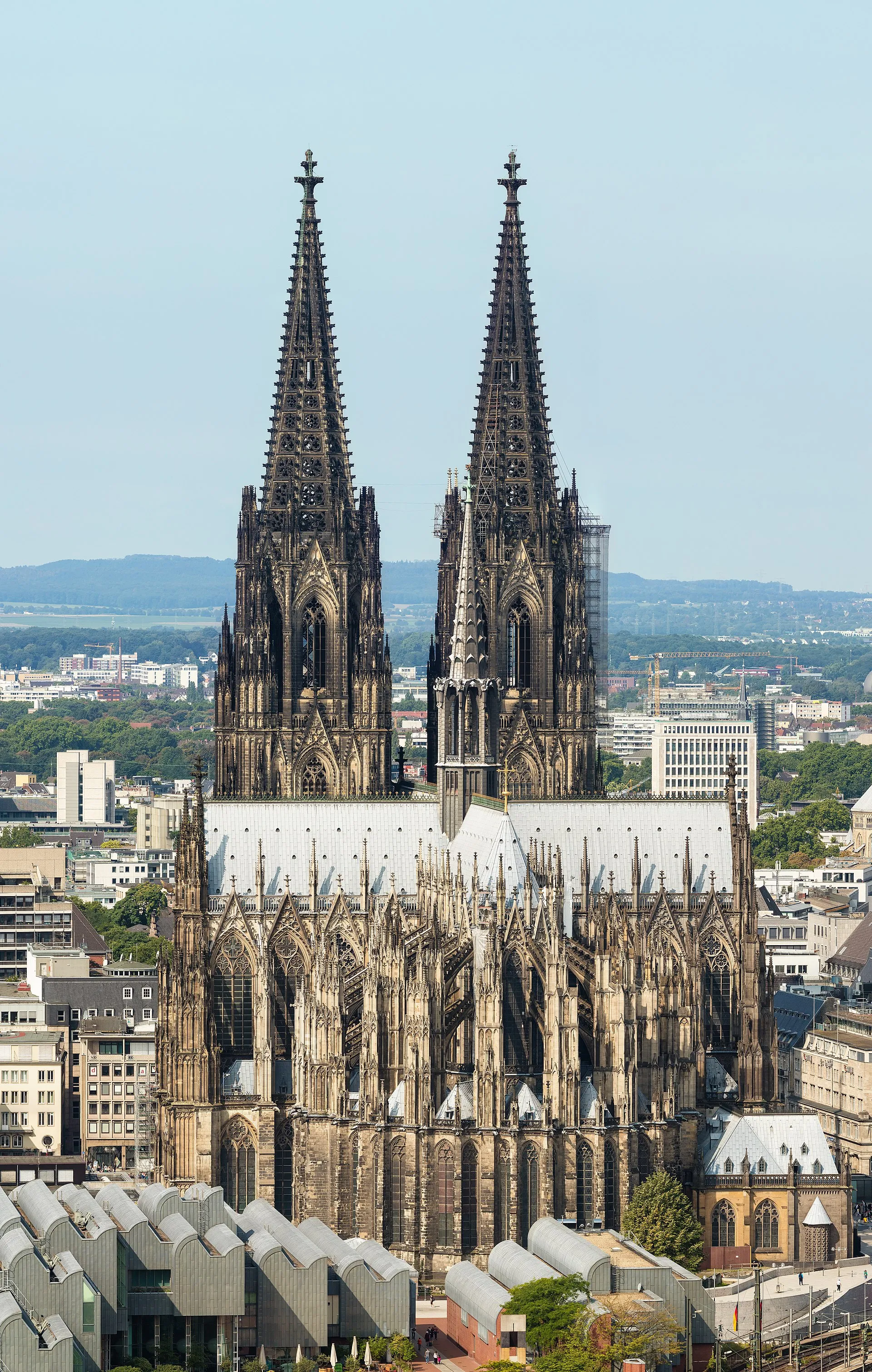
Cologne Cathedral
The Gothic cathedral of the Archdiocese of Cologne (157 m), begun in 1248 and completed in 1880 – a UNESCO World Heritage Site since 1996 and the city's landmark.
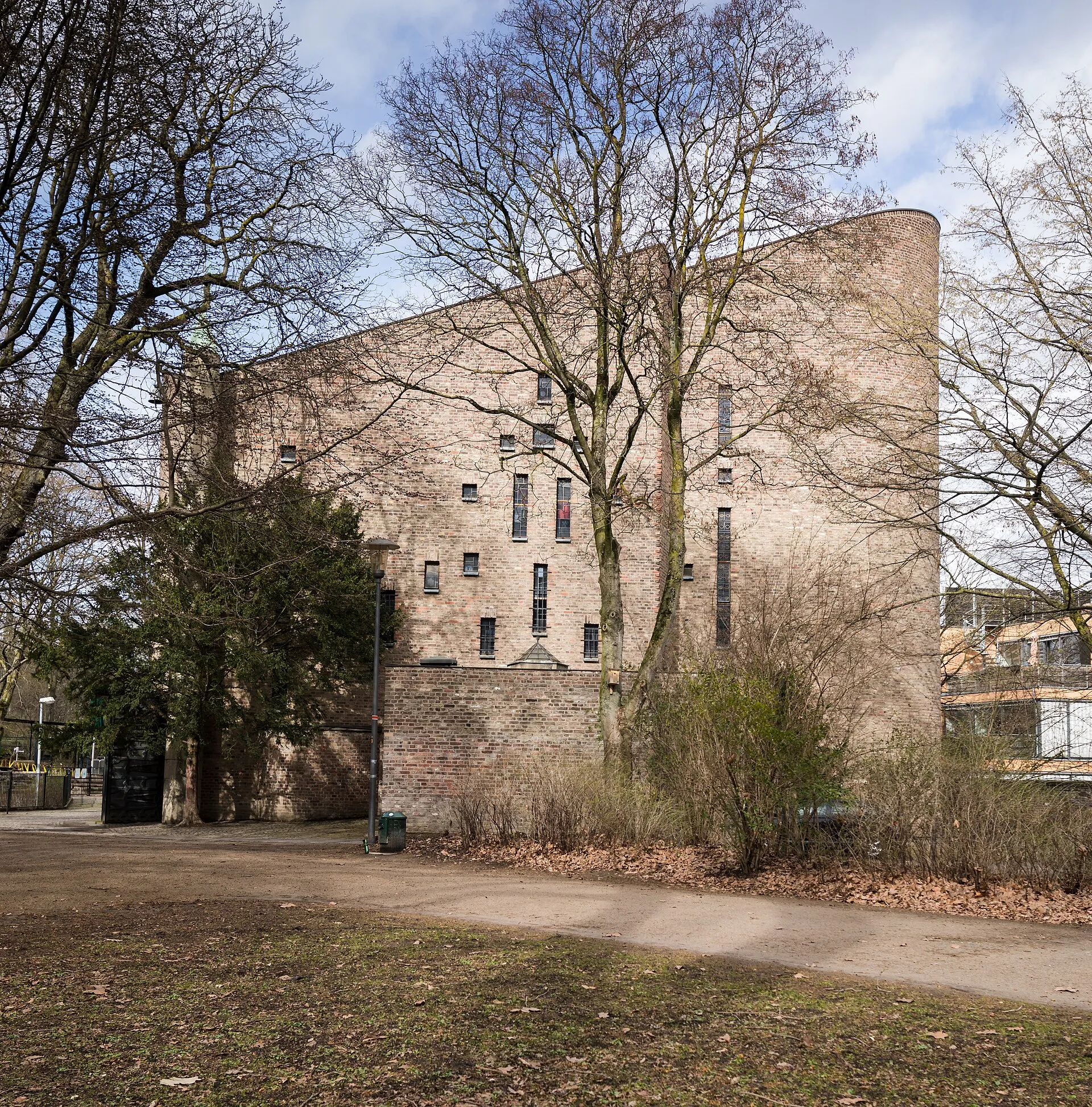
Neu St. Alban
A modern 1959 church by the Stadtgarten, built from rubble bricks – a remarkable post-war design in the spirit of Le Corbusier.
Comments
- Loading comments…